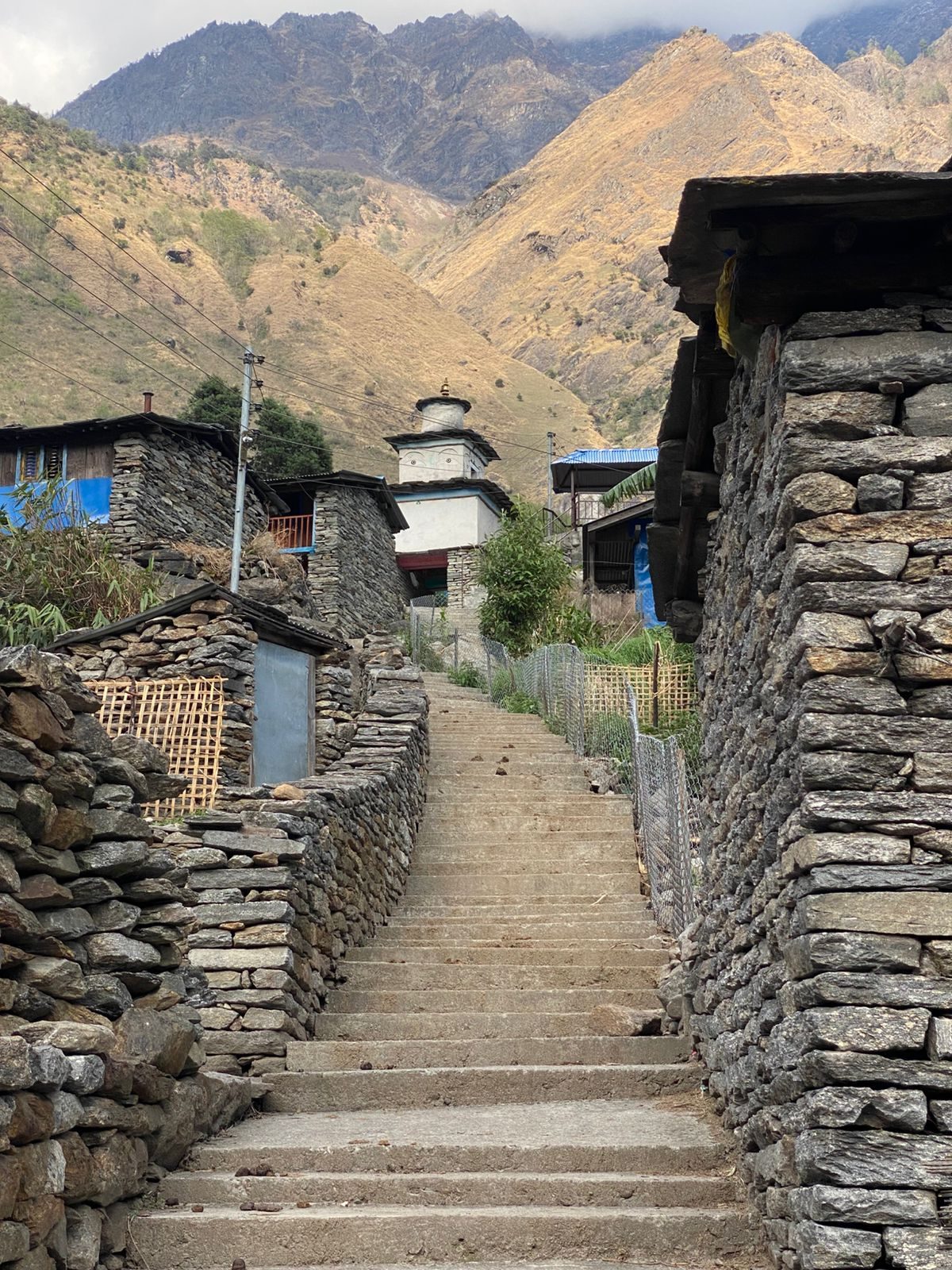
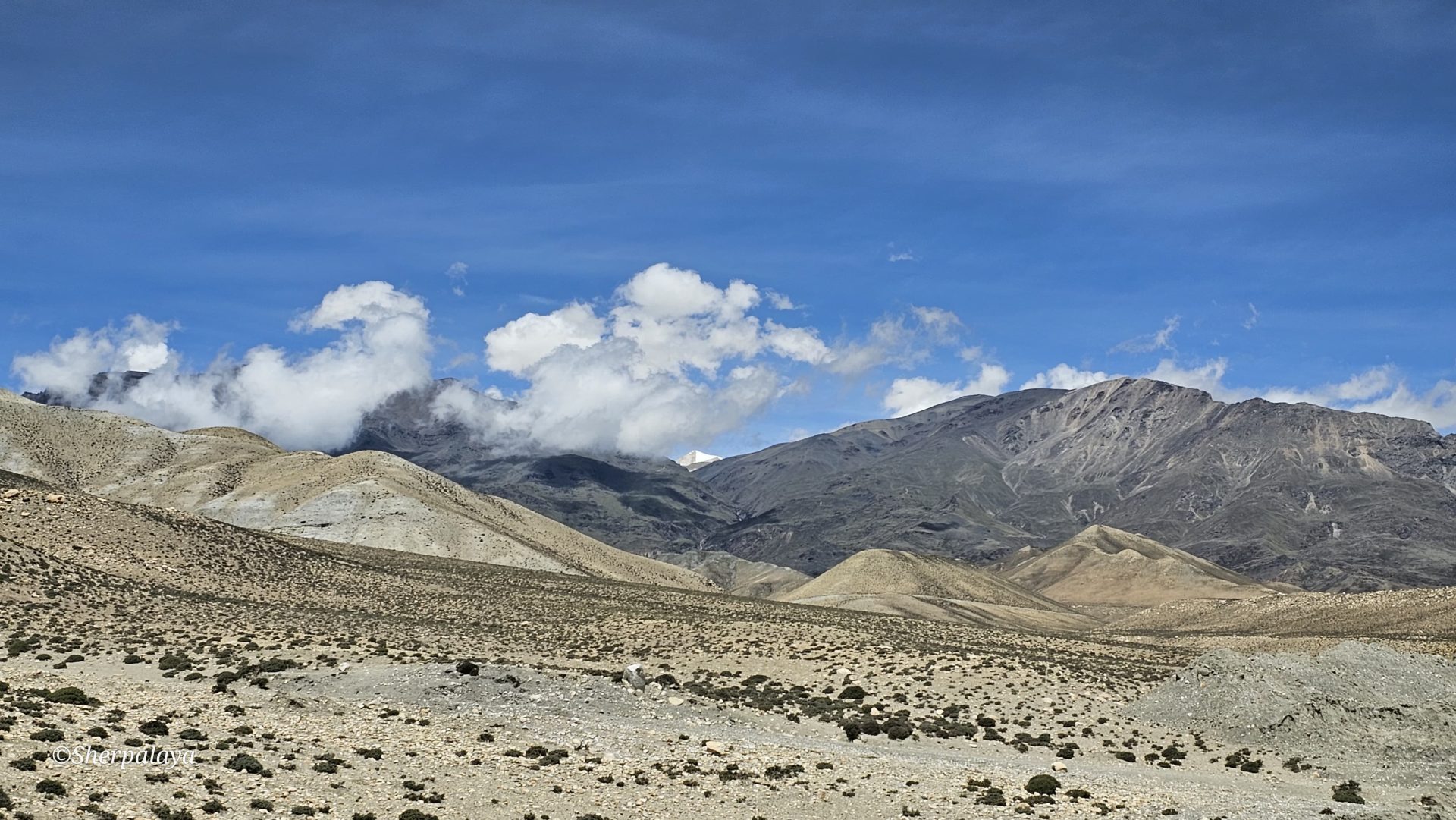
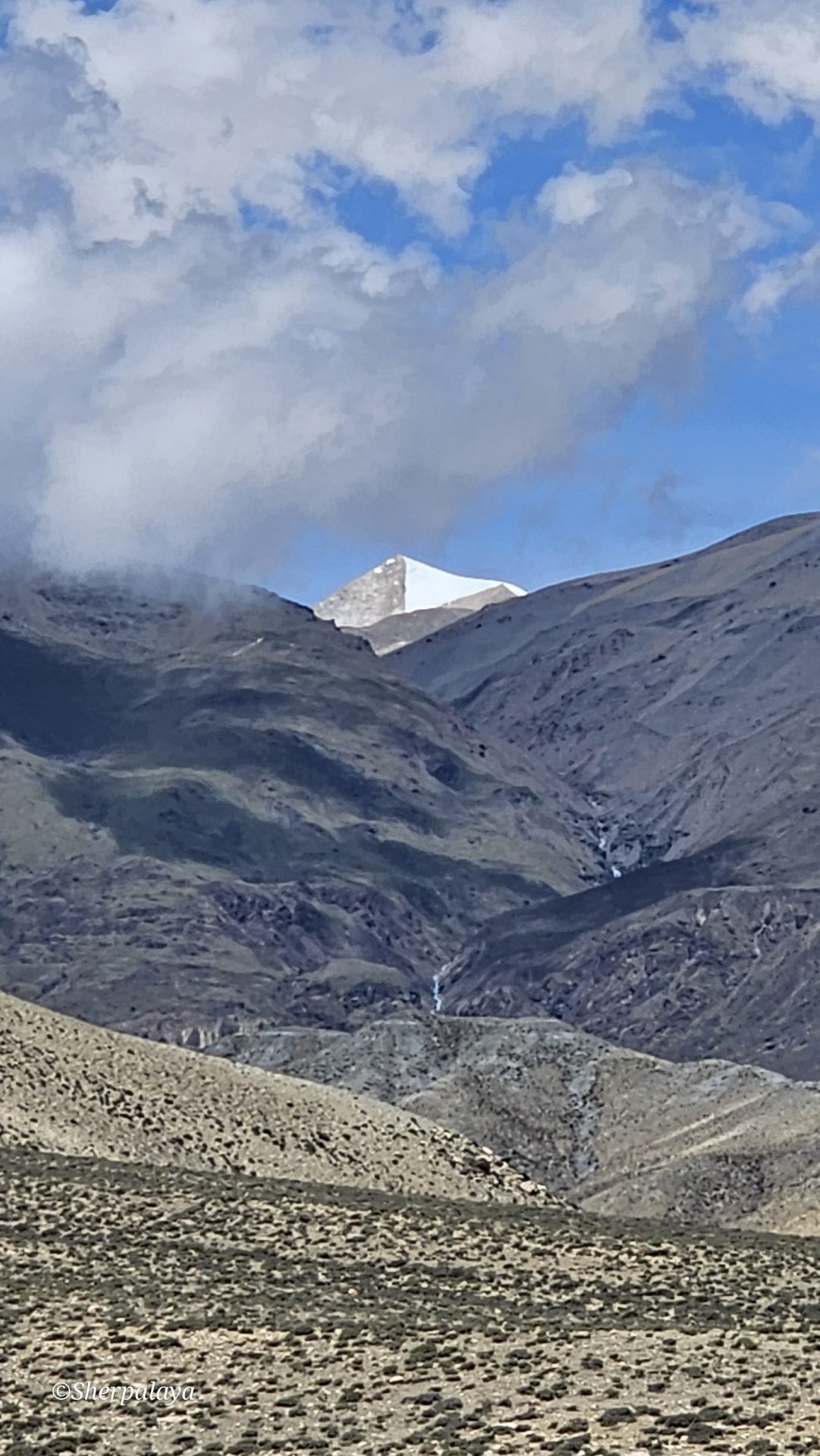
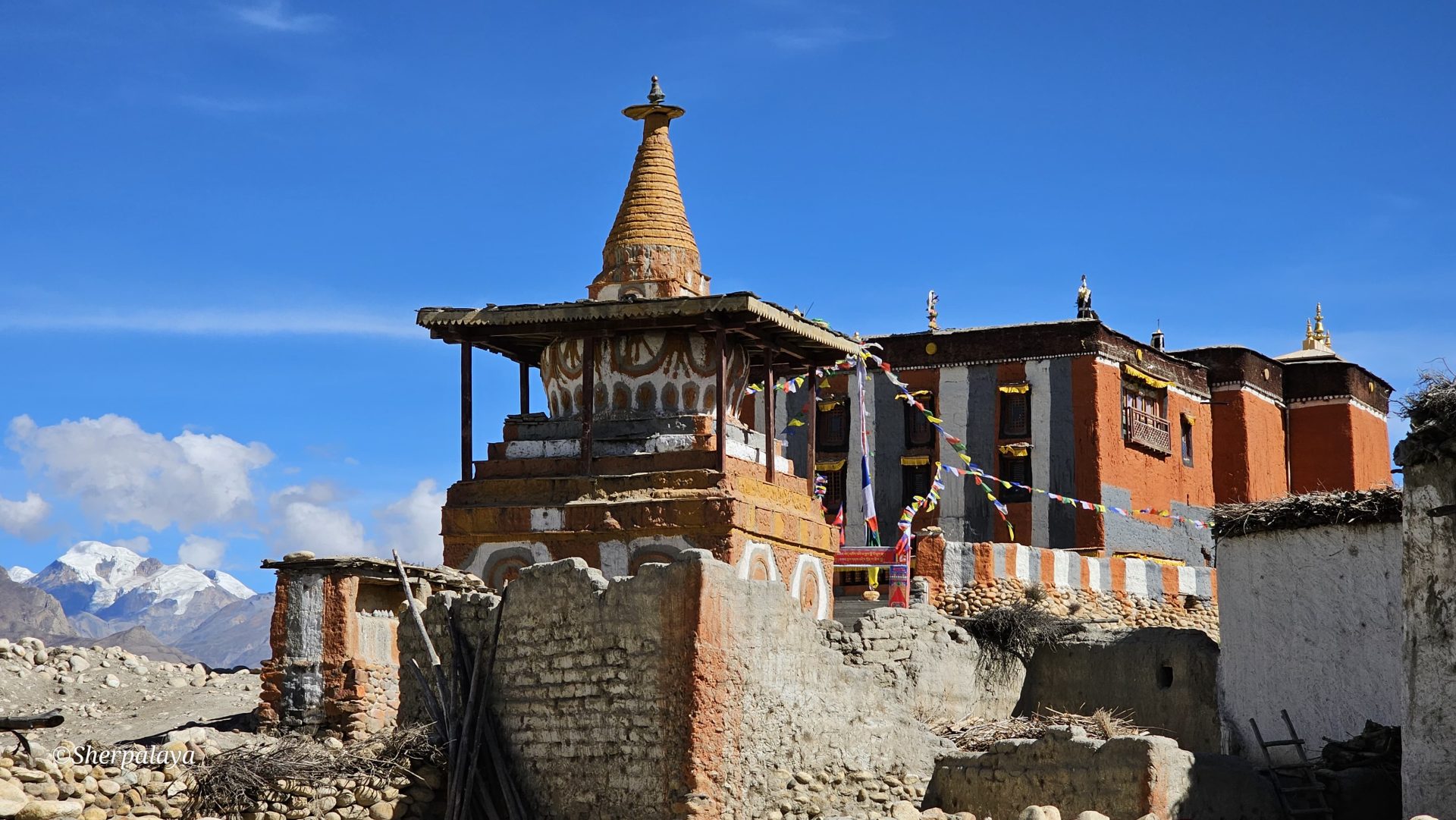
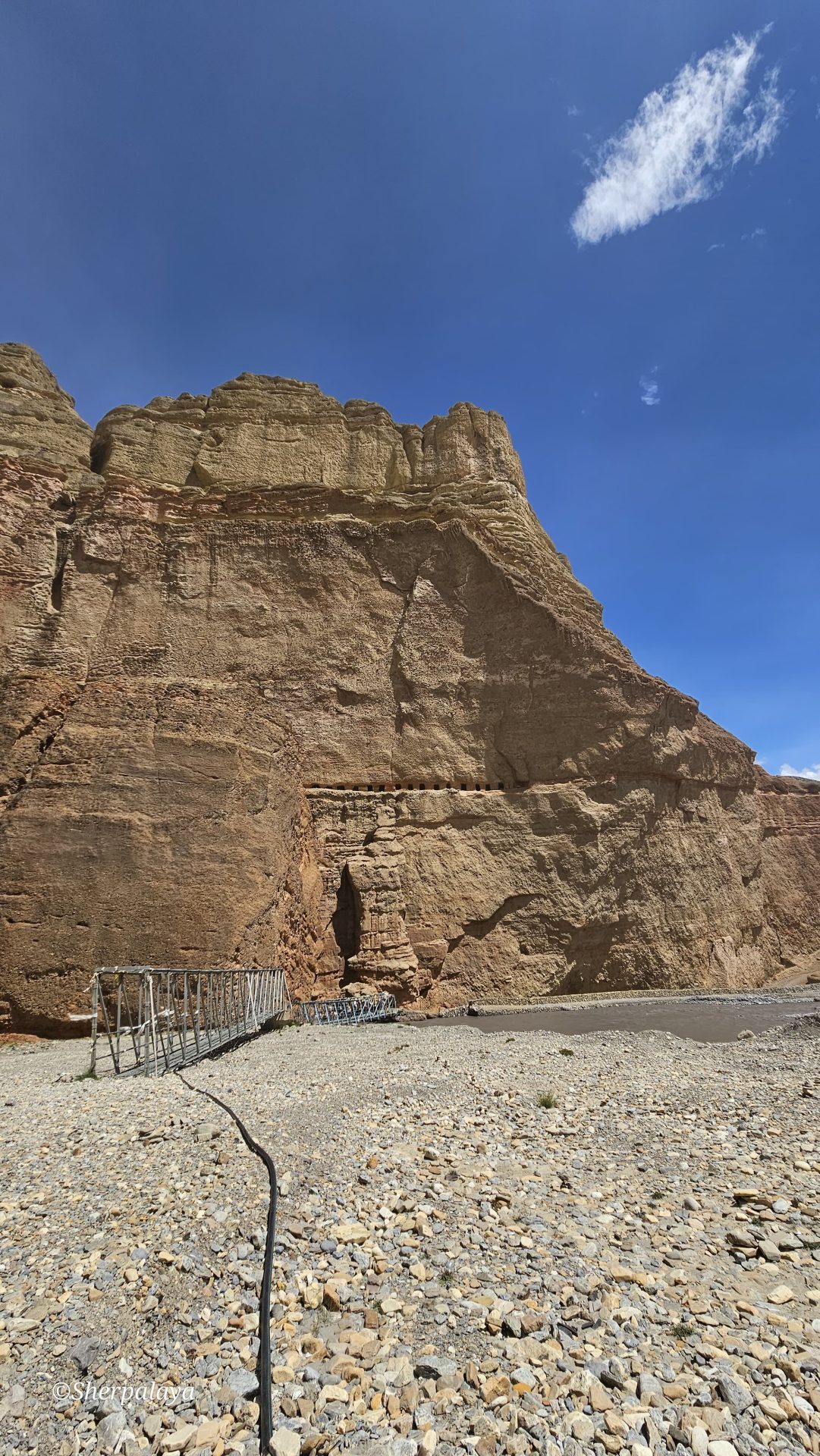
The Upper Mustang trek is a magical journey to the walled city and last forbidden kingdom of Nepal, Lo Manthang. On this trek, you will traverse a trans-Himalayan region, which is unlike any other trekking region in Nepal. The trail is offbeat and crosses many mountain passes under 4,000 meters. The landscape along the Upper Mustang trek route is arid, with towering cliffs, huge rocks, meadows, barren hills, rice and barley fields, and snow-capped mountains. The Upper Mustang trail is dotted with tea houses, so you will get a comfortable and clean space to spend the night. Services are limited but good enough for the trekkers. Likewise, there are many stupas, chortens, mani walls, and prayer flags scattered throughout the trail. Centuries-old monasteries are one of the highlights of Upper Mustang. Even though the Upper Mustang trek is an adventurous trip, the voyage will present you with the rich cultural heritage of the residents that has profoundly influenced Tibetan Buddhism.
Overview
About this journey
Key Highlights
What makes this journey stand out
-
Summiting the Third Highest Peak
Experience the ultimate thrill of standing atop the world's third highest mountain.
-
Remote and Pristine Wilderness
Trek through untouched landscapes and experience the raw beauty of the Kanchenjunga region.
-
Cultural Immersion
Interact with local communities and experience the unique culture of the region.
-
Challenging Climb
Test your mountaineering skills with a technically challenging climb.
-
Expert Guidance
Climb with experienced guides and Sherpas who prioritize safety and success.
Itinerary
Your day-by-day route
Costs Include
What's covered
-
Arrival and Departure Transport.
-
Standard Accommodation in Kathmandu and Pokhara as mentioned with breakfast.
-
Sightseeing tour in Kathmandu with an entrance fee.
-
Duffle Bag using for Trekking.
-
Breakfast, Lunch and Dinner during the Trekking.
-
Accommodation in Tea house while trekking.
-
Kathmandu - Pokhara drive.
-
Pokhara Jomsom Pokhara Kathmandu flight with airport Tax.
-
Annapurna Conservation Area Project (ACAP) entry permit fee.
-
Trekking Porter with Insurance. (We Provide 01 Porter for 02 Pax).
-
Trekking Guide with insurance.
-
Trekker’s Information Management system (TIMS).
-
Mustang Trekking Region map.
-
Water purification tablets.
-
Farewell dinner with cultural program.
-
Special Permit for Mustang.
-
Government taxes.
-
Office services charge.
Costs Exclude
Not included
-
International Airfare.
-
Your travel insurance.
-
Nepal entry Visa fee (US$ 50 for 30 days) you should get visa Upon your arrival)
-
Drinks, Dessert, Juice, Mineral Water, Heater charge, Hot Shower during the Trekking and main meals in cities.
-
Tips for Guide, Porter and driver.
Essential Tips
Things worth knowing before you go
Permits
Obtain the necessary permits: Langtang National Park Permit (USD 30) and TIMS Card (USD 20). Booking a package often simplifies this process.
Trek Difficulty
This is a challenging trek due to high altitude (reaching 4,610m at Lauribina La pass), rugged terrain, and daily ascents and descents of around 6 hours. Prepare physically with regular exercise and hiking.
Altitude Sickness
Acclimatization is crucial. Trek slowly, stay hydrated, avoid alcohol and smoking, and be aware of altitude sickness symptoms (headache, vomiting, difficulty breathing, etc.). Inform your guide immediately if you experience any symptoms.
Best Time to Trek
Spring (March-May) and Autumn (late September-November) offer the most stable weather and moderate climate.
Travel Insurance
Essential for emergency helicopter evacuation and medical expenses due to the remote location. Ensure your policy covers high-altitude trekking.
Accommodation and Food
Expect basic guesthouse accommodations (twin sharing, shared toilets). Three meals a day are provided (Dal Bhat, Thukpa, Momo, Noodles are common), but pack extra snacks. Consider a single room for an additional cost if desired.
Packing
Pack light but in layers. Essentials include comfortable underwear, trekking clothes, base/thermal layers, windproof/waterproof jacket/pants, fleece/down jacket, gloves, socks, scarf, beanie, sun hat, trekking boots, casual shoes, duffel bag, daypack, trekking pole, map, water bottle, sleeping bag, toiletries, first aid kit, snacks, camera, charger, journal, cash, and documents.
Physical Preparation
Improve stamina, strength, and endurance through regular exercise, including strength training, aerobic exercises (swimming, cycling, running), and hiking. Practice breathing techniques.
Respect Local Culture
Be mindful of local customs and traditions. Ask before taking photos and show respect for the Tamang and Sherpa communities.
Gallery