Overview
About this journey
Key Highlights
What makes this journey stand out
-
A Challenging and Rewarding Trek
Experience an adventurous and challenging trek near Kathmandu, offering stunning landscapes and cultural immersion.
-
Explore Valleys and Peaks
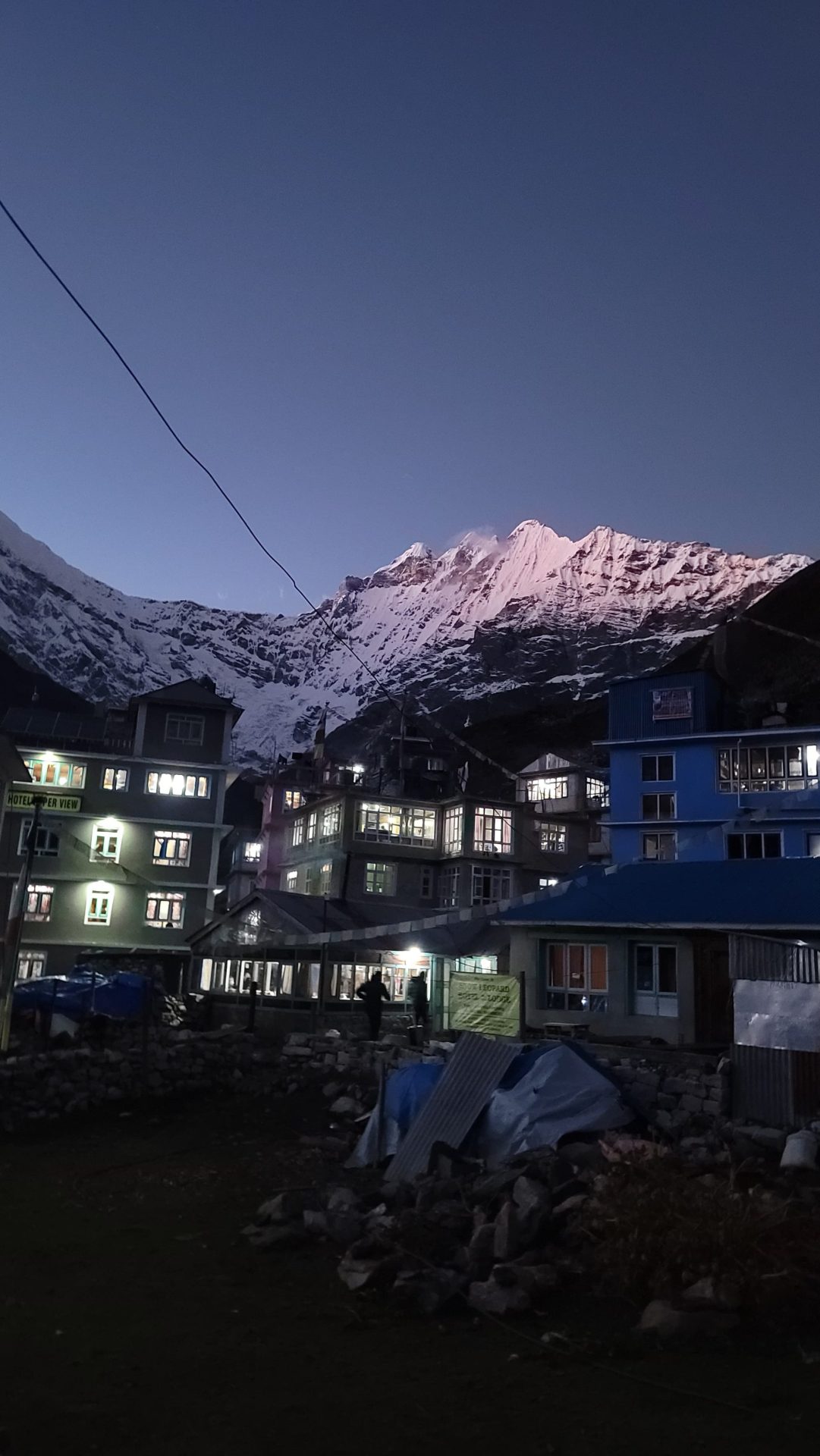
Trek through the "Valley of Glaciers" (Langtang Valley), hike to viewpoints like Kyanjin Ri and Cherukuri Ri, and witness breathtaking mountain vistas, including Langtang Lirung, Naya Kanga, and Dorje Lakpa.
-
Sacred Lakes and High Passes
Visit the sacred Gosainkunda Lake, a pilgrimage site for Hindus, and cross the challenging Lauribina La pass (4,610m).
-
Cultural Immersion
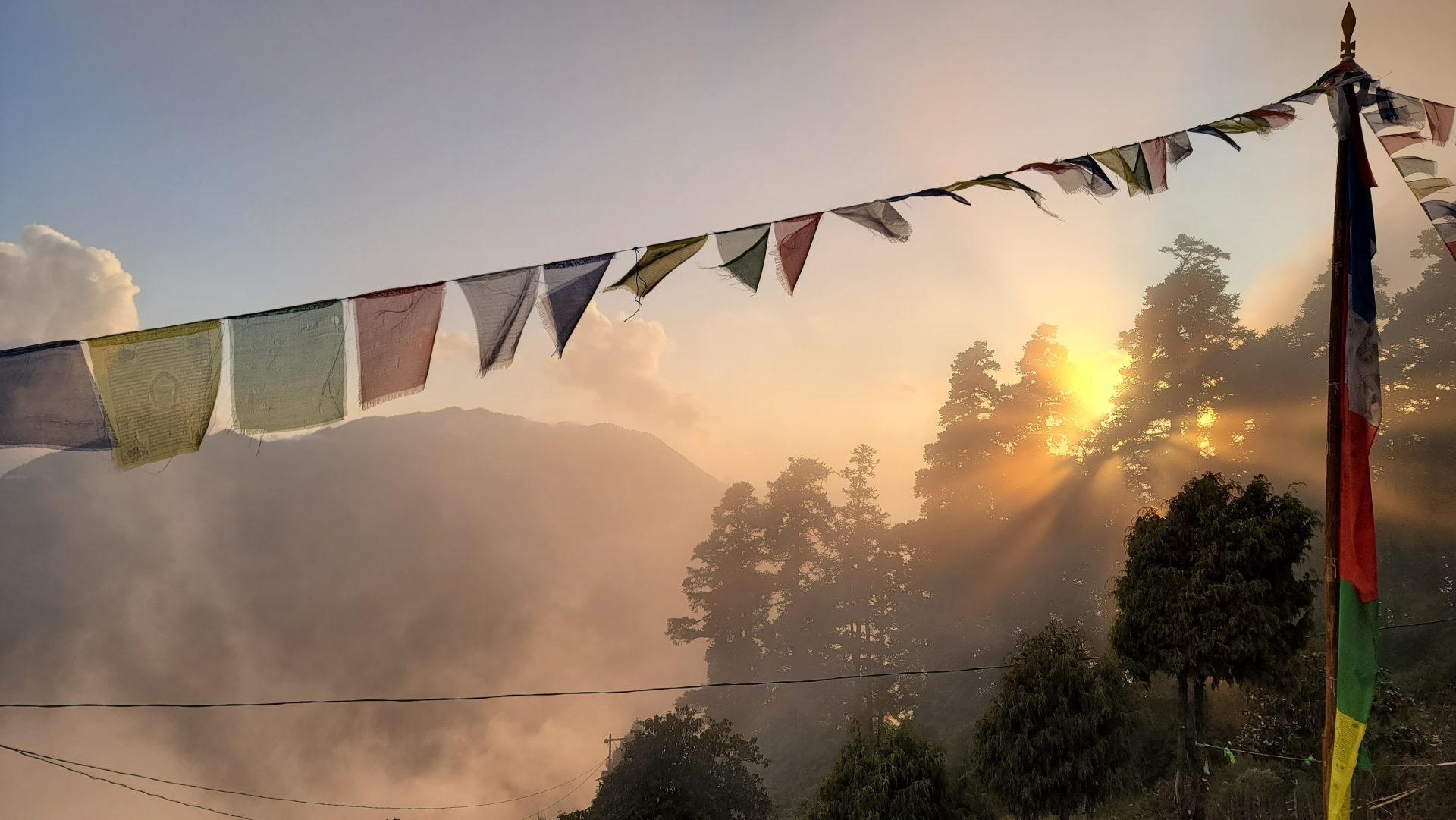
Interact with the Tamang and Sherpa communities, experience their warm hospitality, and learn about their unique culture and traditions. Visit ancient monasteries and explore local markets and yak cheese factories.
-
Diverse Landscapes
Traverse remote settlements, lush meadows, dense forests (including rhododendron forests), and rugged terrain, experiencing a variety of landscapes.
-
Wildlife Encounters
Keep an eye out for potential wildlife sightings, including langur monkeys, especially in the lower sections of the trek near Shivapuri National Park.
-
Getaway from Kathmandu
Explore the Chisapani region and the area around Sundarijal, popular destinations for those seeking a quick escape from the city.
Itinerary
Your day-by-day route
Costs Include
What's covered
-
Arrival and Departure Transport
-
Accommodation in Kathmandu with breakfast. (Twin sharing).
-
Trekking Duffle Bag using for Trekking.
-
Breakfast, Lunch and Dinner during the Trekking.
-
Accommodation in Tea house (mountain lodge) during trekking.
-
Kathmandu Syabru bensi and Kathmandu transport.
-
Trekking Porter with Insurance. (We Provide 01 Porter for 02 Pax).
-
Trekking Guide with insurance.
-
Trekking Guide and Porters food and accommodation, wages etc.
-
Langtang Valley Trekking map.
-
First Aid kit.
-
Trekker’s Information Management system (TIMS).
-
Langtang National park entry fees.
-
Water purification tablets.
-
Farewell dinner with cultural program.
-
Government taxes.
-
Office service charge.
Costs Exclude
Not included
-
International Airfare.
-
Travel insurance.
-
Nepal entry Visa fee (US$ 50 for 30 days ad US$ 30 for 15 days), you should get visa Upon your arrival)
-
Drinks, Dessert, Juice, Mineral Water, Heater charge, Hot Shower during the Trekking and main meals in cities.
-
Tips for Guide, Porter and driver.
Essential Tips
Things worth knowing before you go
Permits
Obtain the necessary permits: Langtang National Park Permit (USD 30) and TIMS Card (USD 20). Booking a package often simplifies this process.
Trek Difficulty
This is a challenging trek due to high altitude (reaching 4,610m at Lauribina La pass), rugged terrain, and daily ascents and descents of around 6 hours. Prepare physically with regular exercise and hiking.
Altitude Sickness
Acclimatization is crucial. Trek slowly, stay hydrated, avoid alcohol and smoking, and be aware of altitude sickness symptoms (headache, vomiting, difficulty breathing, etc.). Inform your guide immediately if you experience any symptoms.
Best Time to Trek
Spring (March-May) and Autumn (late September-November) offer the most stable weather and moderate climate.
Travel Insurance
Essential for emergency helicopter evacuation and medical expenses due to the remote location. Ensure your policy covers high-altitude trekking.
Accommodation and Food
Expect basic guesthouse accommodations (twin sharing, shared toilets). Three meals a day are provided (Dal Bhat, Thukpa, Momo, Noodles are common), but pack extra snacks. Consider a single room for an additional cost if desired.
Packing
Pack light but in layers. Essentials include comfortable underwear, trekking clothes, base/thermal layers, windproof/waterproof jacket/pants, fleece/down jacket, gloves, socks, scarf, beanie, sun hat, trekking boots, casual shoes, duffel bag, daypack, trekking pole, map, water bottle, sleeping bag, toiletries, first aid kit, snacks, camera, charger, journal, cash, and documents.
Physical Preparation
Improve stamina, strength, and endurance through regular exercise, including strength training, aerobic exercises (swimming, cycling, running), and hiking. Practice breathing techniques.
Respect Local Culture
Be mindful of local customs and traditions. Ask before taking photos and show respect for the Tamang and Sherpa communities.
Gallery